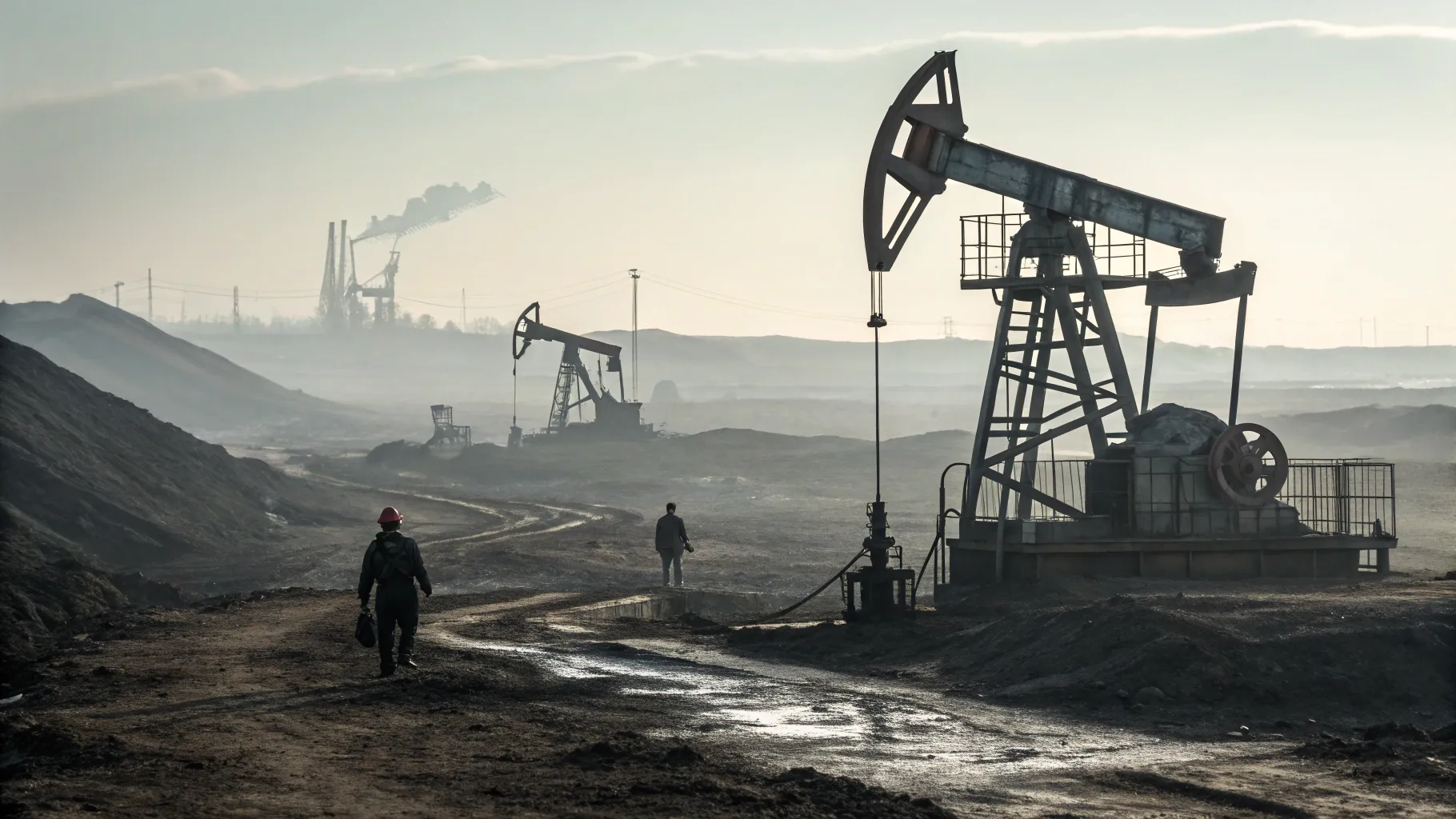
Trump's Energy Strategy: Prioritizing Fossil Fuels Amidst Shifting Global Dynamics
Donald Trump's approach to energy policy has consistently centered on the deregulation and expansion of traditional fossil fuel production, a strategy often framed under the banner of "energy dominance." This philosophy emphasizes maximizing domestic output of oil, natural gas, and coal, ostensibly to bolster the economy and reduce reliance on foreign energy sources. However, as the global energy landscape evolves and geopolitical tensions remain a constant, critics and analysts have raised significant concerns that this very strategy could paradoxically leave the nation more vulnerable to dramatic price hikes and critical supply shocks. Examining the nuances of these concerns is vital for anyone following
Trump News and its potential implications for the American economy and consumer.
The core of this strategy, as observed during his presidency, involved an active stance against what were deemed restrictive regulations on the fossil fuel industry, alongside a more skeptical view of renewable energy initiatives. While advocates argued this approach spurred economic growth and job creation in traditional energy sectors, a key consequence highlighted by various reports was the potential sidelining of cleaner energy alternatives like wind and solar power. This deliberate downplaying of renewables is seen by some as a missed opportunity to diversify the nation's energy portfolio, a decision that could have profound long-term repercussions on both economic stability and environmental goals.
The Price Tag of Policy: How Supply Shocks Can Impact American Wallets
The direct link between energy policy and consumer costs becomes starkly clear during periods of market volatility. When crude oil prices surge above $100 a barrel and gasoline prices climb towards $4 a gallon, the impact on everyday Americans is immediate and substantial. A critical analysis of Trump's energy strategy points to the idea that by actively "blocking clean energy such as wind and solar power," the nation's energy mix became less diversified. This lack of alternative energy sources, according to this perspective, translates directly into increased vulnerability to external supply shocks.
Consider the interplay of global events: international conflicts, political instability in oil-producing regions, or even unforeseen disruptions to global shipping lanes can swiftly tighten crude oil supplies and send prices soaring. When a country relies heavily on a single type of energy source – particularly one subject to global market whims – its consumers bear the brunt of these fluctuations. Without a robust and expanding clean energy sector, the buffer against such shocks is diminished. The argument is that greater investment in renewables would create more insulated, domestic energy production, thereby offering a degree of protection from geopolitical events. For example, while a Middle East conflict might send oil prices sky-high, it would have no direct impact on the cost of electricity generated by a domestic solar farm or wind turbine.
Furthermore, decisions regarding key economic institutions, while not directly energy policy, can intertwine with its effects. Debates around leadership at the Federal Reserve, for instance, underscore the broader focus on economic stability. When energy prices contribute to inflation, the Fed's actions become even more critical, illustrating how various policy areas, even those seemingly disparate in
Trump News, can converge to influence economic outcomes for average citizens.
Diversification or Dependence? The Debate Over Energy Security
The concept of "energy independence" has often been a rallying cry for various administrations, including Trump's. For many, this has traditionally meant producing enough fossil fuels domestically to meet national demand, thereby reducing reliance on foreign imports. However, a growing school of thought distinguishes this from "energy security," which emphasizes not just quantity of production, but also the diversity, resilience, and sustainability of a nation's energy supply.
From this perspective, a strategy focused almost exclusively on maximizing fossil fuel extraction, while potentially increasing independence from foreign *producers*, might simultaneously increase dependence on inherently volatile *commodities*. Oil and gas prices are determined by a complex interplay of global supply, demand, and geopolitical factors – factors often beyond any single nation's control.
Renewable energy sources, in contrast, offer a pathway to enhanced energy security. Once established, wind farms and solar arrays generate power at a more predictable cost, largely insulated from international market fluctuations. They harness indigenous resources (wind, sun) that are inexhaustible and not subject to foreign political machinations. Investing in smart grids and diverse generation methods also builds resilience against potential physical attacks or natural disasters that could cripple centralized infrastructure. The debate, therefore, isn't just about how much energy we produce, but *what kind* of energy, and how it contributes to a stable, resilient future for consumers and industries alike. Understanding these differing perspectives is key when analyzing energy policies in the broader context of
Trump News.
The political discourse surrounding energy policies often involves complex messaging. During the Trump administration, communications, even on topics like Iran, sometimes blurred lines between information and entertainment. This broader communication style, as discussed in articles like
Beyond Propaganda: Unpacking Trump's Iran Messaging & Public Response, highlights how information about various policies, including energy, is consumed and interpreted by the public. Geopolitical tensions, for example, especially those involving oil-rich regions like the Middle East, can significantly impact global energy prices. Trump's stance on Iran's nuclear program, while distinct from domestic energy policy, illustrates the kind of global event that can create market uncertainty and, consequently, higher fuel prices, especially if a nation lacks diversified energy alternatives.
Navigating the Future: Policy Implications and Consumer Resilience in the Energy Sector
As discussions about future policy directions continue to be a dominant theme in
Trump News, understanding the potential implications of a renewed focus on fossil fuels is critical. A strategy that prioritizes conventional energy sources while de-emphasizing renewables could have several long-term effects. On one hand, it might lead to immediate increases in domestic oil and gas production, potentially bringing down local fuel prices in the short term, and supporting employment in those specific industries. On the other hand, it risks further entrenching a reliance on finite resources, making the economy more susceptible to the very price hikes and supply shocks we've discussed, especially as global demand and geopolitical pressures intensify.
For policymakers, the challenge lies in balancing immediate economic benefits with long-term energy security and environmental sustainability. A comprehensive energy strategy might involve:
*
Diversifying the Energy Mix: Actively supporting the growth of all viable energy sources, including renewables, nuclear, and advanced fossil fuel technologies with carbon capture.
*
Investing in Infrastructure: Modernizing the electric grid to handle diverse power sources and enhance resilience against disruptions.
*
Promoting Innovation: Funding research and development into next-generation energy technologies and storage solutions.
*
Considering Global Markets: Recognizing that even with high domestic production, global events can still influence domestic prices and necessitate strategic international engagement.
For consumers, navigating this evolving energy landscape requires proactive steps:
*
Energy Efficiency: Investing in energy-efficient appliances, home insulation, and smart thermostats can significantly reduce energy bills regardless of fuel prices.
*
Exploring Alternatives: Considering electric vehicles (EVs) or hybrid cars can lessen reliance on gasoline, offering a hedge against pump price volatility.
*
Local Renewable Adoption: For homeowners, exploring rooftop solar options can provide a degree of energy independence and long-term cost stability.
*
Stay Informed: Understanding where your energy comes from and the factors influencing its cost empowers better decision-making.
The information landscape surrounding these debates, much like the broader phenomenon of "Trump Fact News" which emerged in the post-2016 political discourse, highlights the decentralized and often partisan nature of how information is shared and debated online. This environment, described in more detail in
Social Media's Trump Fact News: Polarization & Verification Challenges, underscores the importance of critical thinking and diverse information sources when evaluating complex policy discussions like energy strategy.
Conclusion
Donald Trump's energy strategy, with its emphasis on fossil fuel expansion and skepticism toward clean energy, presents a clear philosophical direction for American energy policy. While proponents champion it for promoting "energy dominance" and economic growth, a detailed examination reveals potential vulnerabilities, particularly concerning consumer exposure to price hikes and supply shocks in volatile global markets. The debate is complex, weighing immediate economic gains against long-term energy security, environmental sustainability, and consumer resilience. As the nation looks ahead, decisions regarding energy diversification, infrastructure investment, and technological innovation will be paramount in shaping an energy future that is both robust and affordable for all Americans.